A complete winter home maintenance checklist Utah residents need focuses on insulating pipes, cleaning gutters, and sealing window gaps to prevent freezing and ice dams. Homeowners should also schedule a professional HVAC inspection and check their roof's flashing to ensure the structure remains secure against heavy snow and sub-zero temperatures.
As the first frost settles across the Wasatch Front, Utah homeowners often face the mounting anxiety of preparing their property for a harsh and unpredictable winter season. The combination of heavy snow loads and rapid freeze thaw cycles can transform minor exterior vulnerabilities into costly structural repairs or emergency plumbing failures overnight. Effective maintenance is not merely a seasonal chore; it is a strategic investment in the longevity and safety of your most significant asset. This guide provides a professional framework for winterizing your property with precision. You will learn how to reinforce your roof against ice dams, secure your plumbing from deep freezes, and optimize your HVAC system for peak efficiency. By addressing the building envelope and interior systems now, you ensure your home remains a resilient sanctuary against the elements.
Why Utah Winters Demand a Specialized Maintenance Approach
Utah’s winter climate in the Uinta Basin and Duchesne presents a technical challenge that standard maintenance guides often overlook. High desert conditions mean homes face intense solar radiation during the day followed by plummeting sub-zero temperatures at night. These rapid fluctuations create aggressive freeze-thaw cycles that stress building materials far more than a steady, deep freeze would. A generic winter home maintenance checklist Utah homeowners find online rarely accounts for the specific snow loads or the atmospheric pressure changes unique to our mountain regions.
Heavy snow accumulation on roofs can lead to structural compromise if drainage is obstructed, while fluctuating temperatures can turn a minor hairline crack in a pipe into a catastrophic failure overnight. Atiy LLC provides technical problem solving for Utah homes by applying field-tested methods to these specific environmental stressors. Our goal is to shift the focus from reactive repairs to proactive fortification. By implementing a targeted strategy, property owners can avoid the financial burden of burst pipes, roof collapses, and system failures that peak during the coldest months. Through our versatile residential and commercial services, we ensure that your infrastructure is prepared for the reality of a Utah winter. This starts with the most critical barrier between your interior and the elements: the exterior envelope.
Exterior Envelope: Roof, Gutters, and Ice Dam Prevention
The exterior envelope begins with the roof, which bears the brunt of the Uinta Basin’s heavy snow accumulation. A thorough winter home maintenance checklist Utah residents can rely on must include an evaluation of the roof’s structural integrity and drainage capacity. A technical inspection requires looking beyond simple debris removal to the condition of the flashing. In our climate, the aggressive expansion and contraction of materials often cause flashing around chimneys, dormers, and vents to pull away from the roof surface. These gaps are primary entry points for moisture during the spring thaw. We recommend checking that sealant is not cracked or brittle, as these vulnerabilities lead to leaks that compromise interior drywall and structural framing.
Many property owners frequently ask, "How to stop ice dams on roof in winter?" The answer involves managing the physics of heat transfer. Ice dams occur when heat escapes from your living space into the attic, warming the underside of the roof deck. This causes the bottom layer of snow to melt and run down toward the eaves, which remain cold because they extend beyond the heated perimeter of the house. Once the water reaches the eaves, it refreezes, creating a ridge of ice that traps subsequent meltwater. This trapped water eventually backs up under the shingles and can rot the roof deck.
To prevent this, owners should verify that attic insulation is sufficient to keep the roof deck at a consistent temperature. For north-facing slopes that receive minimal sunlight, installing self-regulating heat cables is a proactive measure. These cables create drainage channels through the ice, allowing water to flow safely into the gutters. Atiy LLC provides technical problem solving for Utah homes to identify these thermal bridges and ensure your versatile residential and commercial services include a thorough assessment of gutter pitch and hanger strength before the snow begins to stack.
Plumbing and Freeze Protection: Guarding Against the Big Chill
While the physical freezing point of water is 32 degrees, Utah homeowners must monitor the forecast for sustained temperatures below 20 degrees. This threshold marks the high-risk zone where uninsulated indoor pipes are most likely to fail. In the Uinta Basin, overnight lows often remain in this danger zone for weeks, making plumbing readiness a vital part of any winter home maintenance checklist Utah residents follow. Proactive protection starts before the first hard freeze to ensure the expansion of freezing water does not compromise your system’s integrity.
Begin with the exterior by disconnecting all garden hoses. A connected hose traps water against the sillcock; even a frost-free faucet will burst if trapped water expands back into the valve body. For irrigation, a professional blowout of the sprinkler system is mandatory. Residual water in the manifold or valves can crack plastic components during the first deep freeze, leading to costly spring repairs.
Inside the home, focus on vulnerable areas like crawlspaces and rim joists. These zones lack the thermal buffer of living areas and are susceptible to rapid temperature drops. Install pre-formed foam sleeves on all exposed copper or PEX lines. For extreme cold, differentiate between standard polyethylene foam and high-performance elastomeric rubber insulation. Elastomeric options offer superior thermal resistance and moisture barriers for pipes located near vented crawlspace openings or rim joists where cold air infiltration is highest.
Insulation Type | Material | Best Use Case |
|---|---|---|
Standard | Polyethylene Foam | Interior walls and moderately tempered basements. |
High-Performance | Elastomeric Rubber | Unheated crawlspaces, rim joists, and exterior exposures. |
Providing technical problem solving for Utah homes often requires evaluating these specific insulation grades to prevent catastrophic leaks. If your property has complex plumbing layouts or exposed main lines, you can contact our maintenance team to ensure your versatile residential and commercial services include a fully fortified plumbing system.
HVAC and Air Quality: Ensuring Efficiency and Safety
Reliable climate control is non-negotiable when temperatures drop in the Uinta Basin. A core component of your winter home maintenance checklist Utah is ensuring the HVAC system can handle constant demand without mechanical failure. Begin by replacing air filters; during peak winter months, a clogged filter restricts airflow and forces the blower motor to work harder, which often leads to a limit switch trip. Simultaneously, verify that all return-air registers are unobstructed by furniture or rugs. Restricting the intake side of the system creates static pressure issues that reduce overall efficiency and causes uneven heat distribution throughout the property.
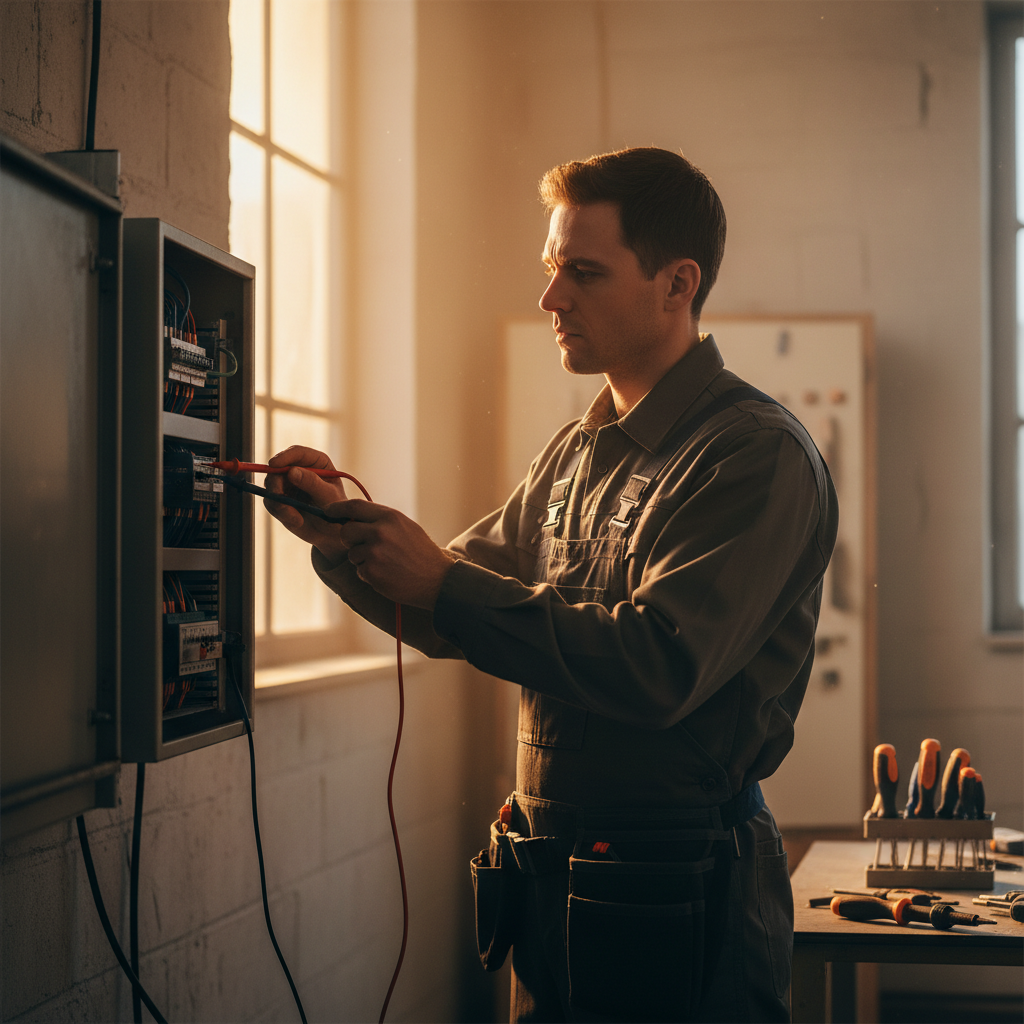
Because homes in Duchesne are sealed tight against the wind, indoor air quality and safety become paramount. Test every carbon monoxide (CO) detector in the building to ensure sensors are active and batteries are fresh. Combustion appliances like furnaces and water heaters pose a risk if venting is obstructed or heat exchangers are compromised. Beyond simple battery checks, professional technical problem solving for Utah homes involves a deeper mechanical audit. A technician uses a multimeter to measure the resistance of the furnace igniter; a reading outside of manufacturer specifications indicates imminent failure. They also check amperage draws on motors and inspect electrical connections for signs of pitting or arcing.
Component | Maintenance Action | Technical Goal |
|---|---|---|
Air Filter | Replace (MERV 8-11) | Maintain airflow and reduce motor strain. |
Return Registers | Clear Obstructions | Balance static pressure in the ductwork. |
Furnace Igniter | Multimeter Ohms Test | Identify imminent failure before a no-heat event. |
CO Detectors | Sensor/Battery Test | Prevent carbon monoxide poisoning in sealed environments. |
Don’t overlook the dryer vent during your seasonal rounds. Heavy winter clothing and bedding produce significant lint, which accumulates in the ductwork and creates a fire hazard or leads to moisture buildup inside the wall cavity. You can contact our maintenance team to ensure your versatile residential and commercial services include a full combustion and airflow analysis to keep your systems running safely through the deep freeze.
Windows and Doors: Sealing the Thermal Bridge
Effective thermal management relies on maintaining a tight building envelope. One frequently overlooked home maintenance task is the assessment of weather stripping. In Utah's climate, the extreme temperature variance causes standard foam or rubber gaskets to lose elasticity and crack. To identify failures, perform a smoke or candle test on a windy day. Slowly move a lit incense stick or candle along window sills and door frames. A horizontal drift in the smoke or a flickering flame indicates a pressure differential where cold air is infiltrating.
For exterior sealing, avoid standard painter’s caulk which hardens and pulls away during deep freezes. Instead, use high-performance 100% silicone or advanced polymer sealants designed to remain flexible at temperatures well below zero. These materials accommodate the contraction of building materials without losing their bond. Atiy LLC provides technical problem solving for Utah homes by identifying these thermal bridges before they impact your heating costs.
Method | Tools | Procedure |
|---|---|---|
Visual Inspection | Flashlight | Look for daylight around door sweeps or window sashes. |
Thermal Detection | Incense or Candle | Move slowly around frames; smoke drift indicates air infiltration. |
Physical Test | Thin Paper | Close the window on a strip of paper; if it pulls out easily, the seal is failed. |
Pay special attention to sliding glass doors. Aluminum or vinyl tracks accumulate debris that traps moisture; if not cleaned and lubricated with a dry silicone spray before the first snow, this moisture can freeze and warp the door assembly. Ensuring these mechanical components operate smoothly is a vital entry on any winter home maintenance checklist Utah property owners use to safeguard their investment. For help with complex weatherization, contact our maintenance team to integrate these checks into your versatile residential and commercial services.
Commercial Winterization: Protecting Business Assets
Commercial properties in the Uinta Basin require a different level of technical oversight compared to residential homes. For businesses with flat roofing systems, a critical item on the winter home maintenance checklist Utah managers follow is the inspection of primary and overflow roof drains. Unlike pitched roofs, flat systems rely on clear internal plumbing to prevent snowmelt from pooling, which adds thousands of pounds of static load to the structure. Atiy LLC provides technical problem solving for Utah homes and businesses by ensuring these drainage paths are clear of organic debris before the first freeze.
Safety during the shorter, darker days of winter hinges on functional exterior and emergency lighting. Verify that all illuminated exit signs and parking lot lamps are operational, as visibility is a core component of facility safety. Furthermore, inspect the parking lot’s grading and catch basins. Poor drainage leads to standing water that transforms into black ice, creating significant liability risks for your staff and customers.
Commercial Priority | Maintenance Action | Objective |
|---|---|---|
Flat Roof Drains | Clear debris and check seals | Prevent structural overloading |
Emergency Lighting | Test battery backups | Ensure safe egress during outages |
Lot Drainage | Inspect catch basins | Mitigate slip and fall hazards |
Implementing structured maintenance workflows is essential to prevent operational downtime during peak winter seasons. By coordinating these technical tasks early, you protect your assets and maintain business continuity. You can contact our maintenance team to schedule these versatile residential and commercial services before extreme weather arrives.