The most important questions to ask a contractor before hiring involve verifying their Utah state license, proof of insurance, and history of similar local projects. Homeowners should also request a list of references, a detailed project timeline, and confirmation that the contractor will secure all necessary building permits. Additionally, asking about communication expectations and obtaining a written contract ensures project transparency and legal protection.
Embarking on a significant renovation or new build in Utah often feels like navigating a high stakes gamble where a single poor decision leads to protracted delays and budget overruns. The inherent stress of entrusting your vision, and your capital, to a third party is a burden that every property owner must navigate. Vetting a contractor is not merely a formality; it is the most critical safeguard for your investment. Ensuring your professional partner is both technically skilled and fully compliant with Utah Division of Professional Licensing standards separates a seamless delivery from a legal headache. In this guide, we provide a definitive framework for your vetting process. You will learn how to verify credentials, evaluate management workflows, and identify subtle red flags in pricing. By the end, you will have a fifteen point checklist to ensure your project begins on a foundation of absolute clarity.
Why Vetting Your Utah Contractor is Crucial for Project Success
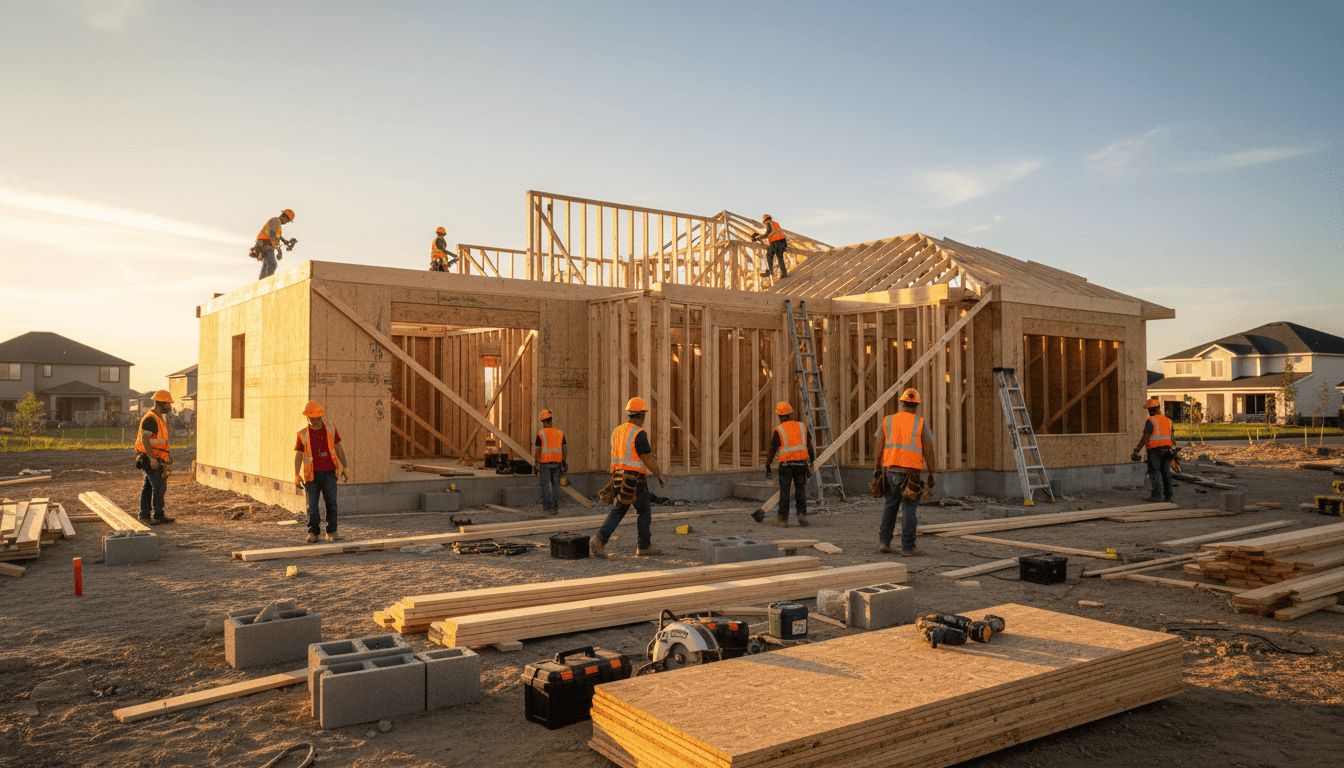
In the Uintah Basin, project success depends heavily on the initial vetting process. The unique geographical challenges of Duchesne and surrounding rural areas often lead property owners to settle for whoever is closest or available. However, relying solely on a generic search for "hire a contractor near me" can lead to significant risks, particularly if the individual lacks proper state credentials. There is a fundamental difference between a local handyman and a professional licensed contractor. While a handyman may be suitable for minor cosmetic repairs, a licensed contractor manages complex logistics, ensures code compliance, and carries the necessary liability protections that shield the property owner from financial ruin.
When preparing your list of questions to ask a contractor before hiring, you must prioritize verifying their standing with the state. Unlicensed work in Utah can result in stopped projects, failed inspections, or structural safety issues that void insurance policies. Atiy LLC addresses these risks by implementing structured workflows and modern project management tools from the outset. This organized approach prevents the common pitfalls of disorganized, "fly by night" operations that often plague rural construction markets. By choosing versatile construction and trade services rooted in technical expertise, you ensure that project completion is defined by quality and safety rather than just geographic convenience.
Essential Legal and Licensing Questions: The Utah DOPL Factor

Navigating the legal requirements for construction in Utah is straightforward once you know where to look. One of the primary questions to ask a contractor before hiring involves their status with the Utah Division of Professional Licensing (DOPL). In Utah, a contractor's license is mandatory for any project where the total cost, including labor and materials, exceeds $3,000. This is not a suggestion but a legal mandate designed to protect property owners from substandard work and financial liability.
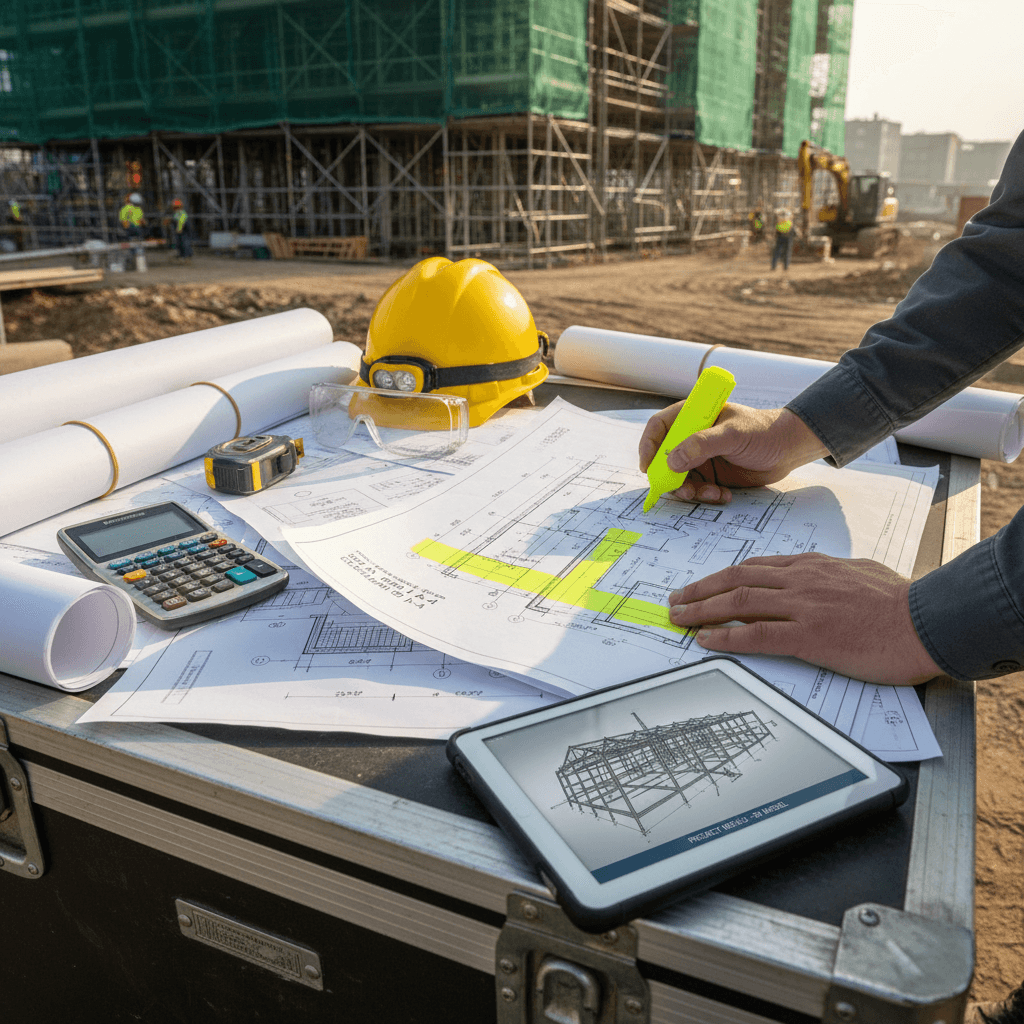
When you request a license number, look specifically at the suffix. Most standard Utah contractor licenses, such as the General Building (B100) or Residential and Small Commercial (R100) classifications, will end in -5501. You should take this number and visit the DOPL License Search website. This tool allows you to verify that the license is currently active and check for any history of disciplinary actions. A contractor who hesitates to provide this number or claims a license is unnecessary for a significant renovation is a major red flag.
Beyond the license, you must verify the specific insurance coverages required for Utah operations. Every professional team must carry general liability insurance to protect against property damage. Furthermore, workers' compensation insurance is essential, especially for commercial construction projects. If a contractor lacks workers' comp, the property owner may be held liable for medical expenses if an installer is injured on site. Always ask for a Certificate of Insurance (COI) sent directly from the provider to ensure the policy is current.
Credential | Requirement in Utah | Why it Matters |
|---|---|---|
DOPL License (-5501) | Mandatory for projects over $3,000 | Ensures minimum technical and financial standards are met. |
General Liability | Recommended for all | Protects your property from damage caused during the project. |
Workers' Compensation | Mandatory for all employees | Protects the homeowner from liability for on-site injuries. |
Professionalism in the Uintah Basin means having these credentials ready before the first shovel hits the ground. If you are unsure about the specific permits or regulatory requirements for your municipality, contact our project management team to discuss the legal framework governing your project.
Experience and Specialty: Finding the Right Fit for Your Project
A license is the baseline, but technical competency is demonstrated through recent, local work. One of the most critical questions to ask a contractor before hiring is: "Have you completed a project of this specific scale and type in the Uintah Basin lately?" This question helps verify that the team understands the logistics of working in our region, where material availability and specific weather patterns can disrupt tight schedules.
While many clients search for narrow specialists, there is significant value in partnering with versatile construction and trade services. Single-trade contractors often focus exclusively on one component, like electrical or plumbing, which can create communication gaps when different systems must integrate. A multi-trade model allows a team to coordinate installation, routine maintenance, and technical support across various disciplines. This approach reduces the friction of managing multiple vendors and ensures that practical problem solving happens in real time rather than waiting for a separate specialist to arrive on site. Atiy LLC utilizes this integrated approach to maintain workflow continuity, preventing the delays that often occur when one trade waits on another.
To verify these claims, request at least three references within the Duchesne or Vernal areas. Local references provide insight into the contractor's reliability and their ability to maintain a clean, safe site. Ask these previous clients if the contractor stayed within the original scope and how they handled technical challenges that arose during the build. Seeing a completed project in a nearby neighborhood offers more tangible proof of quality than a digital portfolio of stock photos.
Project Management and Communication Workflow

Securing a licensed professional is the first step, but the second involves understanding how they manage their time and your property. In the Uintah Basin, a common frustration for property owners is the "disappearing contractor" syndrome, where a crew begins work only to vanish for weeks without notice. To avoid this, your list of questions to ask a contractor before hiring must include specifics on daily oversight and communication protocols. Ask directly: "Who will be on-site daily to manage the crew?" and "What specific tool or method will you use to provide progress updates?"
Professional project management relies on structured workflows rather than verbal promises. Atiy LLC utilizes modern digital tools to track milestones and maintain schedules, ensuring that residential and commercial projects stay on track. This structured approach is what separates reliable versatile construction and trade services from disorganized operations that struggle with rural logistics.
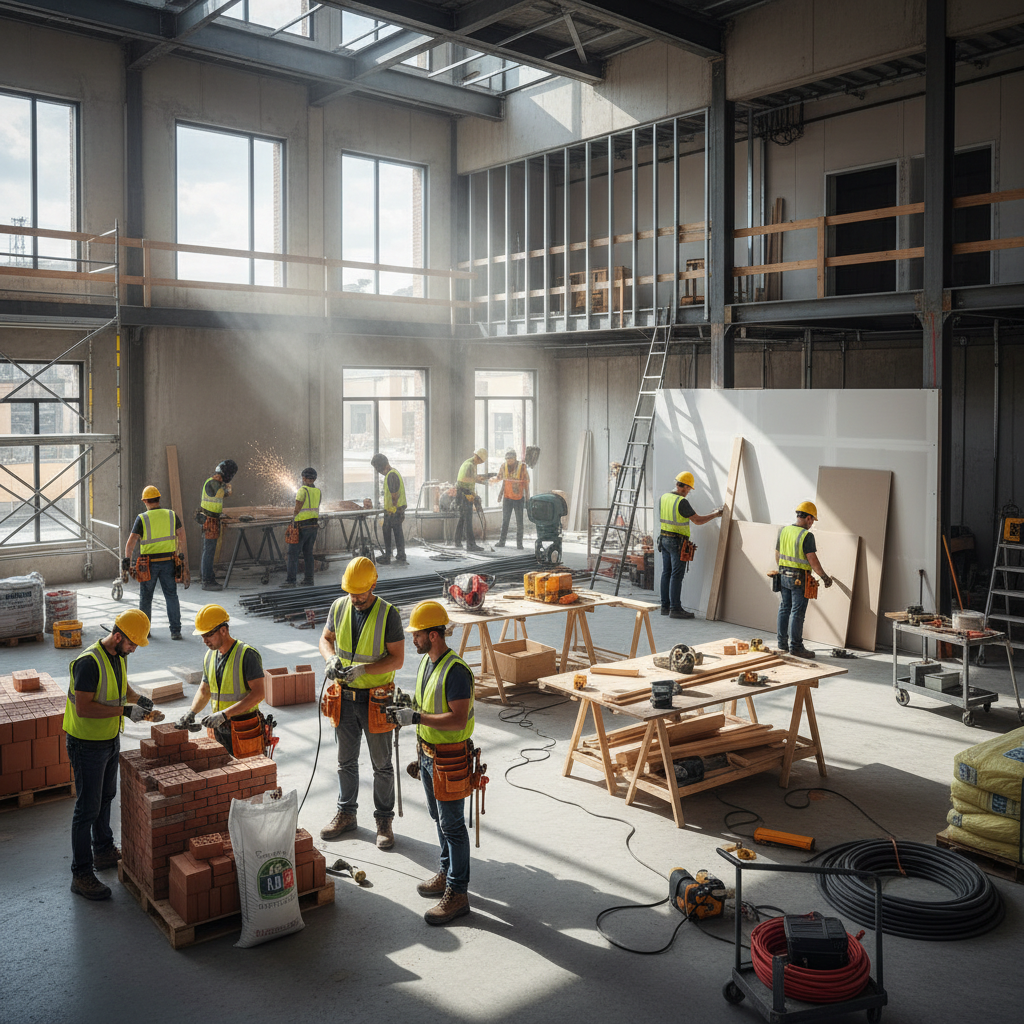
Site organization is another key indicator of professional management. Observe how a contractor maintains their work area; a site cluttered with debris or lacking proper safety equipment suggests a lack of discipline. Reliable firms prioritize site cleanliness and safety protocols to protect both the installers and your property. If you want to learn more about Atiy LLC and our commitment to organized execution, contact our project management team to discuss our workflow for your specific project. Clear communication and a visible presence on site are the only ways to ensure your build concludes without unnecessary delays or safety hazards.
Budget, Payments, and the Red Flags of Pricing
Clear communication regarding the project management workflow must extend to the financial structure. One of the most common questions to ask a contractor before hiring involves the payment schedule, specifically, "Should I pay a contractor 50% upfront?" While some trade-specific materials require a deposit, a request for 50% before work begins is generally a red flag in the Utah construction industry. Professional versatile construction and trade services typically operate on a milestone-based schedule where a smaller deposit, often 10% to 25%, secures the start date and initial materials.
Comparing bids requires looking beyond the total price. A "low ball" bid often masks omissions in the scope of work or the use of substandard materials. When reviewing estimates, pay close attention to allowances; these are designated sums for items not yet selected, like flooring or fixtures. If an allowance is set unrealistically low, your final costs will inevitably spike. Similarly, clarify the process for change orders. These written agreements document any deviations from the original contract, ensuring price transparency when project needs evolve.
Identifying financial warning signs early can save thousands of dollars. Watch for these red flags during the bidding phase:
Pressure to sign a contract immediately to "lock in" a price.
Requests for cash-only payments or payments made to an individual rather than a business entity.
Vague estimates that lack a detailed breakdown of labor and materials.
A refusal to provide a written contract that outlines the payment schedule.
If a proposal seems inconsistent or lacks detail, contact our project management team to review how structured pricing protects your investment. Professionalism requires that every dollar spent is accounted for through clear documentation and verifiable progress.
The Final Pre-Hire Checklist: 15 Questions to Ask a Contractor

A successful project in the Uintah Basin concludes with a clear understanding of the expectations set during the initial consultation. After vetting credentials and reviewing workflows, you should utilize this final checklist to ensure no logistical detail is overlooked. These questions to ask a contractor before hiring serve as a roadmap for the professional relationship, defining the boundaries of responsibility for both the property owner and the service provider.
What is your Utah DOPL license number (ending in -5501)?
Can you provide a Certificate of Insurance for general liability and workers’ comp?
Will you be responsible for pulling all necessary permits with Duchesne County or local city building departments?
Who will be the designated supervisor on-site every day?
Do you utilize an in-house crew or third-party subcontractors for specialized trades?
What are the exact work hours each day to minimize disruption to my schedule?
How often will I receive documented progress updates?
What is the formal process for requesting and approving change orders?
What are the specific milestones tied to the payment schedule?
How will you protect existing structures and landscaping from construction damage?
Who handles debris removal and the associated costs for hauling waste?
Can you provide three references for similar projects completed in the Vernal or Duchesne areas within the last year?
What specific warranties do you offer on labor and workmanship?
How do you manage material sourcing to avoid delays caused by rural supply chain issues?
What safety protocols are followed to ensure a clean and hazard-free worksite?
By asking these questions, you establish a standard of accountability that is essential for versatile construction and trade services. Atiy LLC builds every project on this foundation of transparency and practical problem-solving. To learn more about Atiy LLC and our commitment to dependable execution, contact our project management team to review your specific project requirements today.