Successful commercial construction planning rural Utah requires navigating specific local zoning laws, obtaining necessary county permits, and strictly adhering to state building codes for safety and compliance. Developers must prioritize early site assessment and collaborative design to effectively manage timelines and budget requirements in more remote locations.
Developing a commercial property in the Uintah Basin often feels like a battle against isolation and logistical complexity. Between navigating the specific permitting nuances of Duchesne County and managing supply chains across vast distances, local business owners frequently face delays that compromise their bottom line. These challenges are not merely inconveniences; they are critical variables that dictate the long-term viability of your investment. At Atiy LLC, we recognize that rural construction requires a specialized framework rather than a one-size-fits-all approach. This article provides a comprehensive roadmap for your next project. You will learn how to master the seven essential stages of the commercial process, establish a realistic timeline for remote locations, and navigate the permitting landscape effectively. We also address the practicalities of budgeting for the unique market conditions found in rural Utah, ensuring your project remains both structurally sound and financially disciplined.
Understanding the Landscape of Commercial Construction in Rural Utah
Utah consistently ranks among the fastest growing states in the nation, driven by a robust economy and a favorable business climate. While the Wasatch Front sees high density commercial builds, rural areas like Duchesne and the wider Uintah Basin are experiencing a distinct surge in growth. This expansion is characterized by industrial support facilities, specialized retail, and infrastructure projects that cater to the unique needs of rural communities. However, commercial construction planning rural Utah requires a significant shift in perspective compared to urban projects.
The logistics of a build in the Uintah Basin differ sharply from the big city experience. In metropolitan areas, specialized labor and supply houses are often minutes away. In rural Utah, those same resources might be hours away, making the margin for error much smaller. If a critical component is forgotten or a delivery is delayed, the impact on a project timeline is amplified by the sheer geography of the region.
Atiy LLC serves as a local partner with the technical expertise and practical problem-solving necessary to navigate these specific demands. While Utah is widely recognized as small business friendly, executing a project in a remote area requires extra foresight regarding material transport and labor mobilization. We focus on structured workflows to manage these variables. Success in this landscape depends on versatile construction and trade services that understand how to coordinate multiple disciplines under the pressure of rural logistics, ensuring that distance does not become a barrier to quality or timely completion.
The 7 Stages of the Commercial Construction Process
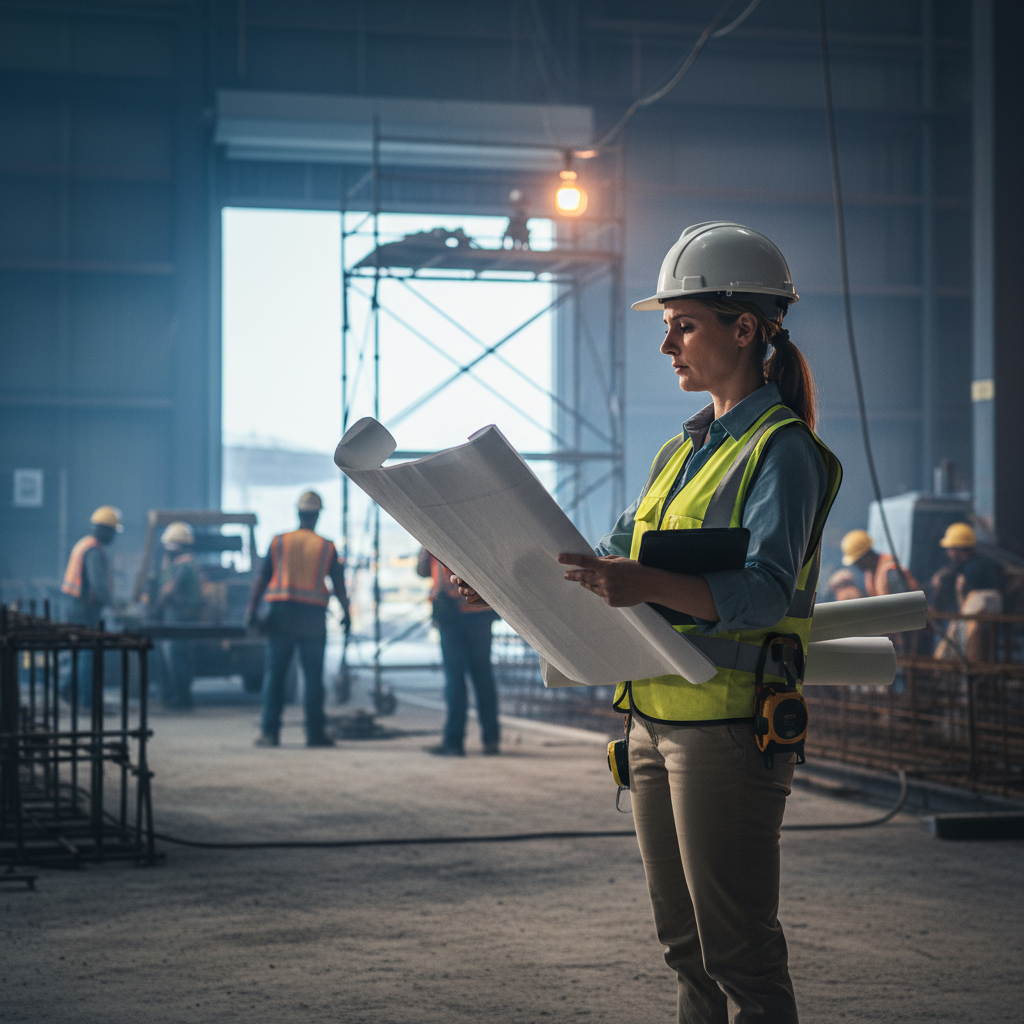
Successfully managing commercial construction planning rural Utah requires following a structured sequence of events. While the scale of a project may vary, the core stages remain consistent to ensure safety, code compliance, and fiscal responsibility. Atiy LLC utilizes these stages to provide a roadmap for every build, ensuring that technical details are not overlooked.
Development and Planning: This initial phase focuses on feasibility. We evaluate the intended use of the building against the budget and the specific needs of the Uintah Basin market to ensure the project is viable.
Pre-Design: Site analysis occurs here. This involves examining property boundaries, soil conditions, and utility access. In rural areas, determining if a site requires a septic system or a well versus municipal connections is a primary concern.
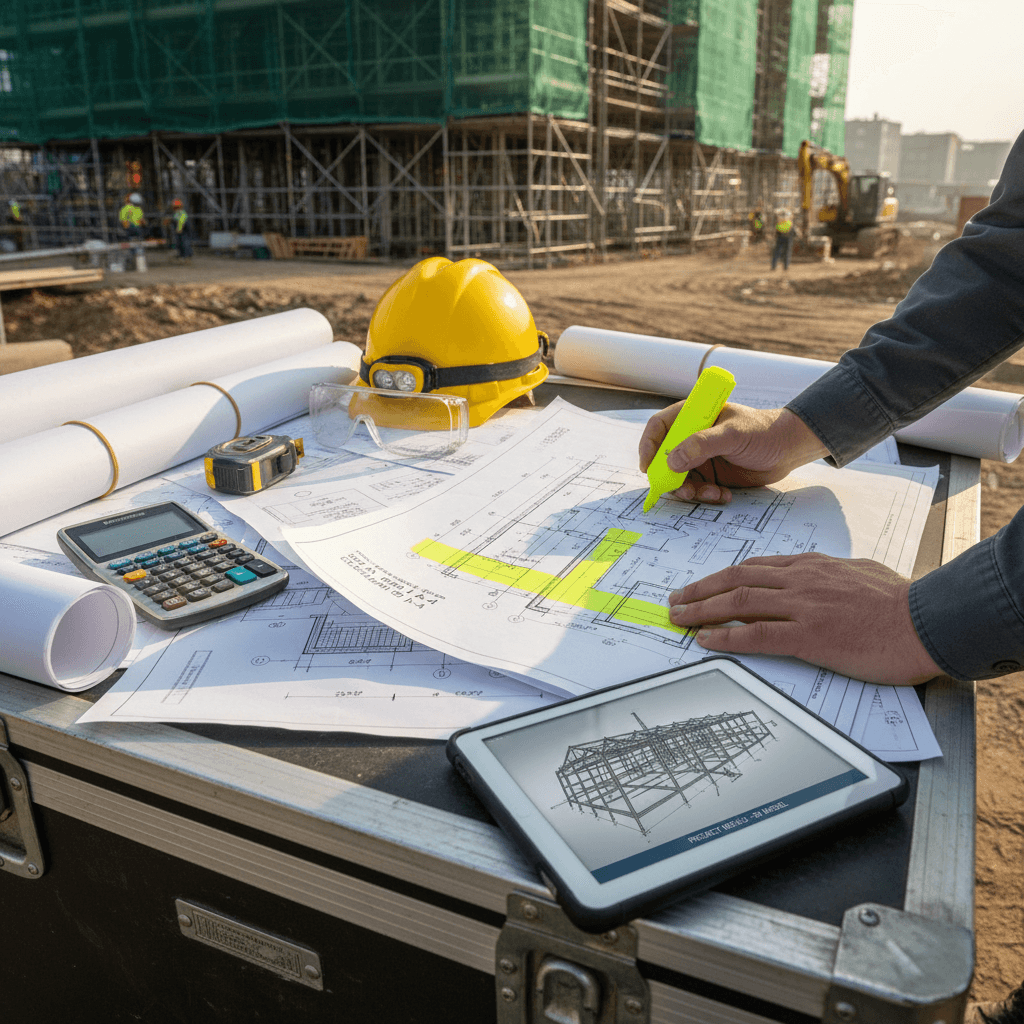
Design: Architects and engineers create detailed blueprints and structural plans. These documents must adhere to the latest Utah building codes while addressing the unique environmental loads of the region, such as snow weight and wind speeds.
Pre-Construction: This stage involves securing necessary permits from the Duchesne County Department of Building Safety and finalizing the bidding process. It is the time to establish the project schedule and coordinate with versatile construction and trade services.
Procurement: In rural Utah, the procurement phase is particularly critical. Specialized materials, such as specific commercial HVAC components or structural steel, often have longer lead times because of shipping distances from major distribution hubs. Ordering early is the only way to prevent a project from stalling while waiting for a single component.
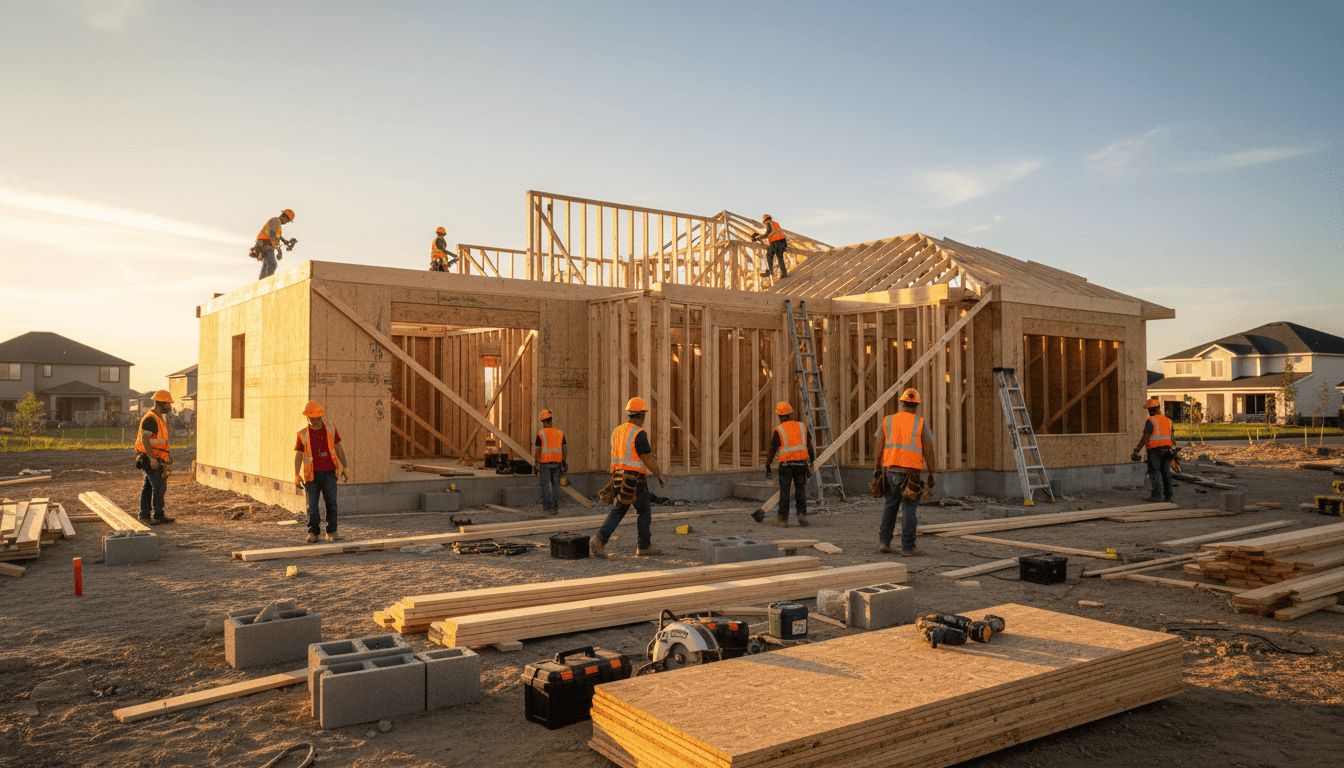
Construction: The actual physical build-out occurs during this phase. This covers everything from the initial ground-breaking and foundation work to framing, utility rough-ins, and final finishing. Effective management during this stage relies on technical expertise and practical problem-solving to keep the project on track.
Post-Construction: Once the build is finished, the project moves into closeout. This includes final inspections, completing a punch list of minor adjustments, and obtaining a certificate of occupancy.
Effective execution across these stages minimizes the risks associated with remote logistics. By identifying potential bottlenecks during the design and procurement phases, we ensure that the transition from a blueprint to a finished structure is efficient and reliable.
Developing a Realistic Rural Construction Timeline
Setting a schedule for commercial construction planning rural Utah requires a clear understanding of both administrative and physical milestones. Generally, the pre-construction phase, which encompasses site analysis, design, and permitting, spans three to six months. Once the project moves into the field, the physical build-out typically ranges from four to ten months. Small-scale renovations or interior tenant improvements often finish more quickly; however, ground-up industrial or retail facilities in the Uintah Basin require more time for site preparation and structural assembly.
The most significant variable in our region is the Rural Factor. High elevation and harsh winters often halt ground-up projects between November and March. Pouring concrete or performing major earthwork during deep freezes is rarely cost-effective and can compromise project quality. Atiy LLC utilizes technical expertise and practical problem-solving to help clients navigate these seasonal constraints. We advise starting the development and design phases in late fall. By coordinating with our versatile construction and trade services to handle paperwork and procurement during the winter, you can secure permits and stage materials to hit the ground running as soon as the spring thaw arrives. This proactive approach ensures that the limited building season is used for active construction rather than administrative delays.
Navigating Building Permits in Duchesne County and Beyond

Securing legal approval is a critical component of commercial construction planning rural Utah. In this region, the Duchesne County Department of Building Safety oversees the regulatory process to ensure all structures meet safety and zoning standards. Most commercial projects, including any structure over 200 square feet or any work involving the installation of utilities, require a formal permit before ground-breaking can occur. Even minor additions or utility upgrades for existing facilities fall under this requirement, making it vital to consult with local authorities early in the design phase.
The permit fee structure in Duchesne County is generally based on the total valuation of the construction project. This valuation includes the fair market value of both labor and materials; therefore, an accurate and documented budget is necessary before the application is submitted. For local business owners, understanding these costs upfront prevents unexpected financial strain during the pre-construction phase.
Applications are most frequently denied due to administrative or technical errors rather than the project concept itself. Common issues that lead to delays or denials include: - Incomplete site plans that fail to clearly show property lines, setbacks, or existing easements. - Failure to meet specific Utah building codes, particularly those addressing regional environmental factors like seismic activity and heavy snow loads. - Missing professional stamps from licensed Utah architects or engineers on structural drawings.
Atiy LLC provides the technical expertise and practical problem-solving needed to navigate these requirements. Our team understands that a rejected permit is not just a paperwork issue; it is a logistical delay that can push a project into the harsh winter months. Once the permit is issued, the project must pass mandatory inspections at the foundation, framing, and final stages. Utilizing versatile construction and trade services ensures that each phase of the build is executed to code, reducing the risk of a failed inspection and keeping the project on its established timeline.
Logistics and Practical Problem Solving for Remote Sites
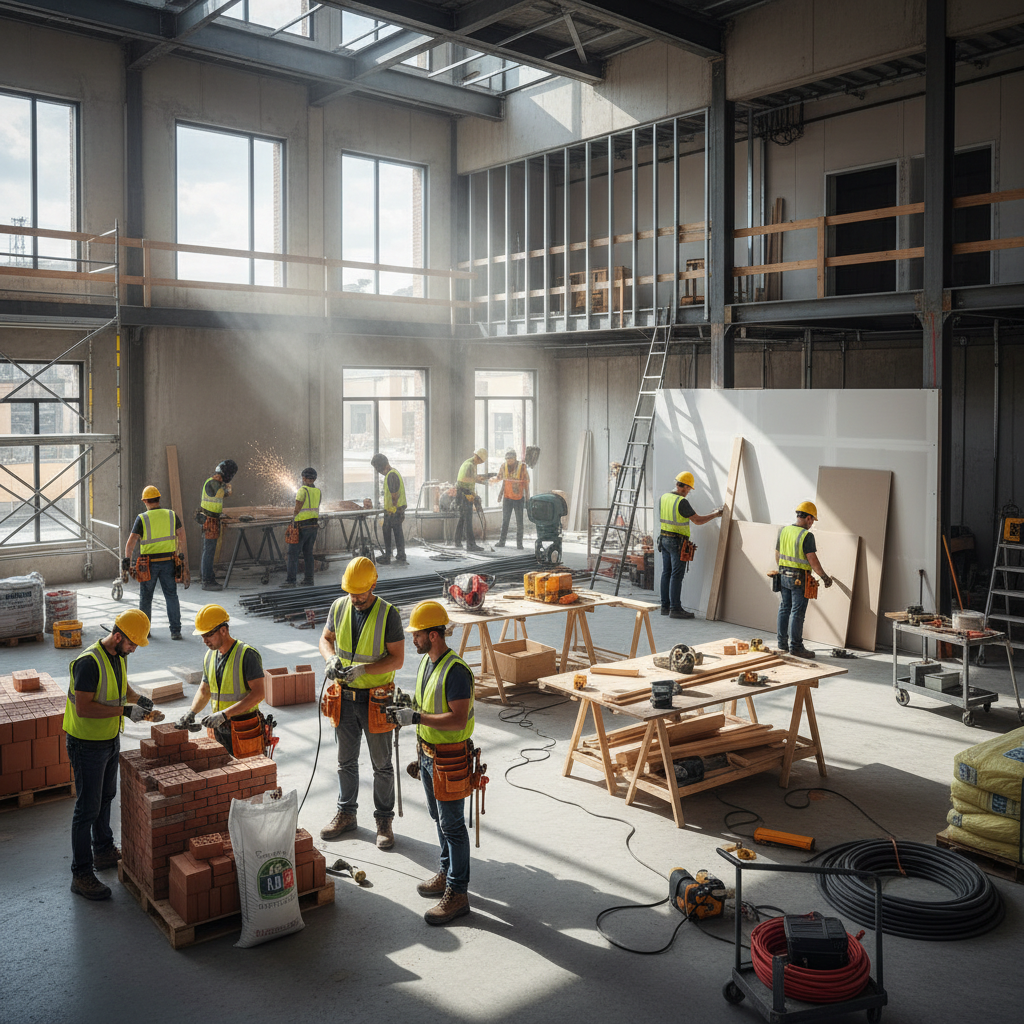
Once the legal and regulatory framework is established, the physical realities of the site become the primary focus. Commercial construction planning rural Utah often involves sites where municipal infrastructure is completely absent. Owners must choose between a connection to city water and the installation of a private well. A commercial well system requires hydrological testing and specialized pump houses that increase the physical footprint of the project. Similarly, sites outside of city centers often rely on septic systems instead of municipal sewers. These systems must be specifically engineered to handle the projected commercial load, which necessitates larger leach fields and more complex soil percolation tests than a residential build.
Site accessibility poses a different set of logistical challenges. Transporting heavy equipment, such as excavators or structural steel trailers, requires a thorough evaluation of rural road weight limits and soil stability. Without proper site preparation, heavy machinery can become trapped in soft earth or damage narrow access roads, leading to unexpected repair costs. Atiy LLC applies technical expertise and practical problem-solving to manage these environmental variables before mobilization. When the nearest industrial supplier or specialist is an hour away, even a minor oversight in tool inventory or a broken hydraulic hose can derail an entire workday.
Maintaining a strict project schedule under these conditions is only possible through structured workflows. We mitigate the risk of remote delays by staging materials in phases and conducting redundant inventory audits before our team arrives on site. By utilizing versatile construction and trade services that prioritize foresight, we ensure that technical hurdles are addressed before they impact the budget. This level of logistical precision is the standard required for successful builds in the isolated terrain of the Uintah Basin.
Budgeting for Commercial Projects in the Uintah Basin
Financial accuracy in commercial construction planning rural Utah requires looking beyond national averages. Local budgets are heavily influenced by the mileage factor; fuel prices for material delivery from the Wasatch Front and the limited availability of specialized trades in the Uintah Basin can shift costs significantly. While a small scale renovation might focus on interior finishes and localized utility updates, a ground up build involves extensive earthwork and infrastructure development that are highly sensitive to regional market fluctuations.
Business owners should set aside a 10 to 15 percent contingency fund specifically for environmental surprises common to our terrain. In rural areas, unexpected subsurface rock or drainage issues can necessitate immediate and costly plan adjustments. Atiy LLC utilizes technical expertise and practical problem-solving to provide realistic estimates that account for these geographic variables. By integrating versatile construction and trade services into early budget discussions, you ensure that labor mobilization and procurement logistics are fully funded from the start. This structured approach prevents common financial pitfalls and ensures the project remains solvent through to final occupancy.
Navigating the complexities of commercial construction in rural Utah requires a blend of careful planning, local permit knowledge, and realistic timelines. While the landscape offers unique opportunities, managing logistics and regulatory hurdles can be challenging. If you want expert help to streamline this process, Atiy LLC is here to support your vision. You can explore our services to see how we guide projects from initial design through final inspection. Let us handle the technical details so you can focus on building your business in the heart of Utah.